
Solar energy is one of the fastest-growing sources of renewable power in the United States, especially in coastal states like Florida, Texas, and the Carolinas where sunshine is abundant. However, one common concern among homeowners and businesses considering solar installation is what happens to solar panels in a hurricane. With extreme weather events becoming more frequent and powerful, questions about the durability, safety, and performance of solar systems during high winds, heavy rain, and flying debris are more relevant than ever.
Hurricanes can produce wind speeds of over 150 miles per hour, strong enough to rip off roofs, shatter windows, and topple power lines. For homeowners investing thousands of dollars in solar energy systems, the thought of panels being torn apart or damaged during a storm is a serious concern. The truth, however, is that modern solar panels are built with strict safety standards, tested against hurricane-force winds, and designed to remain intact under severe conditions when installed properly.
In this article, we will break down everything you need to know about how solar panels perform during hurricanes, the types of damage that can occur, the role of proper installation, and what you can do to protect your solar investment before and after a major storm. Whether you live in a hurricane-prone area or are simply weighing the risks of going solar, this guide will help you understand the real-world resilience of solar panels in extreme weather.
Can Solar Panels Survive a Hurricane? What Homeowners Should Know
If you live in a hurricane-prone state like Florida, Texas, or North Carolina, it’s natural to wonder whether solar panels can stand up to such powerful storms. The short answer: yes, solar panels are built tough and usually hold up very well during hurricanes. And if damage does occur, it’s often minimal and can be repaired without too much trouble.
Let’s break it all down.
-
Solar panels are engineered to withstand extreme weather, including high winds and heavy rain.
-
Certain manufacturers, such as Canadian Solar, REC, Mission Solar, and Maxeon, offer models tested for higher wind speeds and hail resistance.
-
Building codes in hurricane-prone areas typically require solar systems to survive winds of at least 160 mph. Installers use reinforced racking systems and heavy-duty roof attachments to meet these standards.
-
If your solar panels are damaged, your homeowners insurance usually covers the repairs, but never approach a damaged system until a professional inspects it.
-
If you want your home to keep running even during grid outages, you’ll need to pair your solar setup with a battery backup system.
How Strong Are Solar Panels in Hurricanes?
Solar panels are designed with durability in mind. Manufacturers know they’ll be exposed to wind, rain, hail, and debris, so panels are rigorously tested to make sure they can endure tough conditions.
Most Tier 1 solar panels undergo testing for:
-
Wind pressure resistance
-
Snow load capacity
-
Impact strength (hail and flying debris)
For example, during a severe hailstorm at the National Renewable Energy Laboratory (NREL), only one panel out of more than 3,000 suffered damage, proof of how resilient these systems can be.
Weather Ratings for Solar Panels
On average, solar panels are tested to withstand:
-
Wind loads of around 2,400 pascals (~50 lbs/ft²)
-
Snow loads of up to 5,400 pascals (~113 lbs/ft²)
But premium panels go even further. Here are some examples of high-performance models:
| Make & Model | Snow Load (lbs/ft²) | Wind Load (lbs/ft²) | Hail Resistance |
|---|---|---|---|
| Canadian Solar TOPHiKu6 | 169 | 125 | 1.8″ at 69 mph |
| REC Alpha Pure RX | 167 | 125 | 1.4″ at 51 mph |
| Mission Solar PERC 108HC | 113 | 113 | 2.2″ at 76 mph |
| Maxeon 3 Series | 113 | 113 | 1.8″ at 69 mph |
Building Codes and Installation Standards
States like Florida and Texas enforce strict rules to protect against wind damage. For example:
-
In Florida, solar installations must withstand winds up to 160 mph.
-
In Houston, Texas, the requirement is 110 mph.
Installers use reinforced racking systems and secure bolts that fasten panels directly to roof beams. This ensures that panels don’t just stay put during a storm, they also don’t compromise your roof.
Lessons from Past Storms
History has shown that solar panels often survive hurricanes better than expected:
-
Superstorm Sandy (2012): Despite high winds in New Jersey, most solar arrays had minimal damage.
-
Hurricane Maria (2017): While Puerto Rico’s grid collapsed, many solar systems kept generating power.
-
Hurricane Florence (2018): Fossil-fuel plants in North Carolina shut down for weeks, but solar farms were back online within a day.
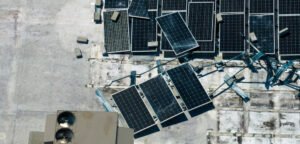
That said, no system is invincible. For example, some large commercial rooftop arrays sustained damage during Hurricane Ian in 2022. Residential systems, however, tend to fare much better because of their size and mounting style.
Solar + Battery: Keeping the Lights On
One of the greatest benefits of solar power during a hurricane is the ability to stay powered even when the grid fails—if you have a battery backup.
For instance, during Hurricane Helene (2024), nearly 5 million people lost power. Yet, families with solar panels and home batteries were able to keep refrigerators running, charge medical devices, and even provide neighbors with essentials.
Microgrids powered by solar and storage also played a huge role in recovery efforts, keeping fire stations, water pumps, and communication systems online.
Preparing Your Solar Panels Before a Hurricane
Here’s what homeowners should know:
-
Don’t remove or cover your panels. They’re designed to stay put.
-
Trim nearby trees or branches to minimize debris damage.
-
Charge your backup battery (many have “Storm Guard” or similar features that automatically prepare for severe weather).
-
Mobile homes and solar don’t mix. Most installers won’t mount panels on them due to wind risks.
After the Storm
If your solar system looks damaged:
-
Stay away. Panels carry high voltage, even when broken.
-
Contact your installer or utility company. They’ll send an electrician to inspect safely.
-
File a claim. Most homeowners’ insurance covers rooftop solar as part of the dwelling.
For those with a solar lease or power purchase agreement (PPA), the provider typically owns and insures the panels, so any repairs or replacements fall under their responsibility.
Solar panels are among the most durable energy technologies available today. With strong design standards, strict building codes, and the added security of insurance, you don’t need to worry about your panels flying away in a storm. And if you add battery storage, you may even be the only home on your block with lights on after the hurricane passes.
When the next storm rolls through, you’ll be glad your roof is not just protected, but also powering your recovery.
Conclusion
Solar panels are built to last. When installed by certified professionals, they can withstand much of the extreme weather hurricanes bring. Modern panels are tested against high winds, heavy rainfall, and flying debris. They are far stronger than many homeowners assume. However, no system is completely immune to a powerful storm. Proper installation, strong mounting equipment, and regular maintenance are essential to help your solar energy system survive a hurricane.
If you live in a coastal or hurricane-prone region, consider hurricane-resistant solar panels. Work with an experienced installer to gain added peace of mind. After a storm, a quick inspection and professional assessment can reveal hidden damage before it becomes a bigger issue. The long-term benefits of solar power, reduced electricity costs, energy independence, and sustainability, far outweigh the risks, especially when the system is designed to endure severe weather.
By understanding what happens to solar panels during a hurricane and taking the right precautions, homeowners can protect their investment. You can continue to enjoy clean, renewable energy for years. When planning a solar installation, ask about local building codes, hurricane testing certifications, and warranties covering storm-related damage. With proper planning, your solar panels can remain safe, efficient, and reliable, even in the face of nature’s most powerful storms.
