
When you invest in solar energy, you want to know how long your system will perform. Modern solar panels last between 25 and 30 years, and many keep generating electricity at a reduced efficiency even beyond that period. Because of their durability, solar panels deliver long-term clean energy for both homes and businesses, making them one of the most reliable renewable technologies today.
Solar Panel Degradation Rate and Efficiency Over Time
Solar panels lose efficiency slowly. On average, they degrade at about 0.5% to 0.8% per year. After 25 years, most panels still operate at 75–85% of their original capacity. High-quality monocrystalline panels and new N-type bifacial panels resist degradation better and keep producing more electricity over time. When you combine them with efficient solar inverters, battery storage, and routine maintenance, you extend the overall lifespan of your solar system and maximize your return on investment.
Lifespan of Solar Inverters and Solar Batteries
While solar panels work for decades, other components don’t last as long. Solar inverters usually last 10 to 15 years, so you will likely replace them once or twice during your system’s lifetime. Solar batteries such as lithium-ion and gel batteries last between 7 and 15 years, depending on how often you cycle them and how well you maintain them. Planning these replacements ensures your solar power system keeps working at full efficiency.
Factors That Affect Solar Panel Lifespan
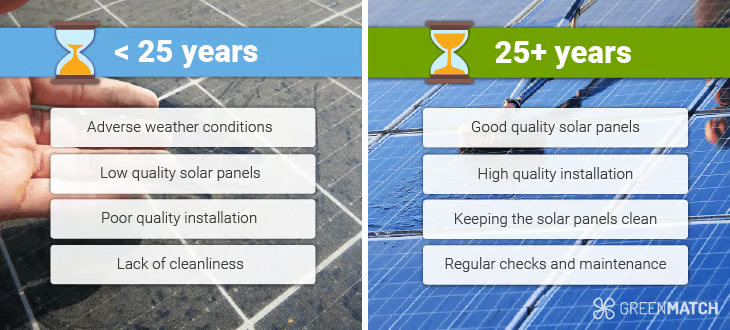
Your solar panel lifespan depends on several factors, including climate conditions, dust buildup, extreme heat, humidity, and shading. By cleaning panels regularly, scheduling professional inspections, and following a solar maintenance checklist, you protect your system and extend its working life. With proper care, many systems keep generating electricity well past their expected 25–30 year lifespan.
Average Solar Panel Lifespan: How Many Years Do They Really Last?
When investing in solar energy, one of the first questions people ask is: how long do solar panels really last? After all, switching to solar isn’t just about saving money on electricity bills today, it’s about knowing your system will continue powering your home reliably for decades.
The good news is that modern solar panels are designed to last between 25 and 30 years, and in many cases, they continue generating electricity even beyond that timeframe, just at slightly reduced efficiency. This long lifespan makes solar panels one of the most durable and dependable renewable energy solutions available today.
But like any technology exposed to the elements, solar panels experience gradual wear and tear over time. Factors such as the panel’s quality, installation process, and exposure to weather conditions play a major role in how efficiently they perform year after year. That’s why understanding the lifespan of solar panels, their degradation rate, and the cost of replacement or maintenance is so important before making your solar investment.
Solar Panel Lifespan and Degradation Explained
the lifespan of solar panels and degradation explain how long the solar panels last. as the years pass solar energy is becoming more popular than ever before. people have always known that clean energy is the right way to go and that there are huge benefits to solar power. benefits like saving money clean energy and sustainable living are sending a positive message for people to invest in getting solar.
as it becomes more popular people are starting to ask many questions about solar like how long the solar panels last. this is a great question and will help people understand why going solar is an excellent investment. you need to know that solar panels don’t have an expiration date. the average industry standard lifespan of a solar panel is 25 to 30 years.
so then comes the question why do solar panels degrade. solar panels are extremely tough and can withstand a lot of wear and tear. it is important to understand that degradation is a natural process that occurs with every man-made mechanical function. here are some of the reasons why your panels lose efficiency over time.
panels are constantly exposed to uv rays from the sunlight and adverse weather conditions that cause the degradation over time. meaning your solar panel will not be able to absorb some mic into energy because of the natural reduction of chemical potency within the panel. this is referred to as a degradation rate.
the lower the degradation rate the better the panel. a low degradation rate will produce more energy over the panel’s lifetime. the worst degradation rate is about eight tenths of a percent a year. but the average degradation rate is about half a percent a year. degradation rates are different depending on the panels you get. choosing the right brand can also play a big part in the degradation rate. high quality solar panels have a lower degradation rate than poor quality solar panels.
Solar Panel Maintenance and Efficiency Over the Years
now you understand the degradation rates and how efficiency plays a part in the panels you choose to install. but there are a few additional steps that you can take to ensure that your solar panels remain efficient throughout the years. work with a reputable solar installer that provides a routine checkup. have your panels professionally cleaned to remove dirt and debris.
maximize sun exposure on panels by ensuring that they are not located in shaded areas. these steps will help make your solar panels remain efficient and last as many years as possible, continuing to absorb the sun year after year.
as you can see solar panels will continue to produce energy for you after 25 years as long as you keep them well maintained. but you must pay attention to their productivity. as long as your panels produce enough electricity to cover the needs of your home you don’t need to replace them.
if your electricity bill is going up and your solar panels are not generating enough electricity for your home it’s probably time to consider a system addition or a system replacement if they are very old.
unlike a regular solar panel product warranty, with solar negotiators lifetime warranty you get the assurance that your solar system will be not just perfectly installed but maintained by our team of experts as long as you live in the home.
long-term energy savings are dependent on your system’s solar production. that’s why you need to choose a solar company that will remain accountable to you and your solar system. issues can and will happen over the 15 to 20 years you rely on your solar system for energy production. however with solar negotiators lifetime warranty you can know that not only will our team find and tackle the issue quickly, you will not have to pay for any system repair costs covered under warranty.
Solar Panel Service Packages and Long-Term Cost Savings
every solar negotiators customer receives a lifetime basic pros membership when they go solar with our team. this complimentary solar package is exclusive to our company, but it can be purchased by customers who were installed by a different company at an additional price.
for those looking to sign up for a way to protect their solar investment, system maintenance packages range from 9.99 to 34.99 a month depending on the level of service.
now that you have a better understanding of how long solar panels last you can see that making this major financial investment can last for more than 25 years. making full use of the benefits and energy savings can help you for decades.
just make sure you take care of them throughout the years to continue making a return on your investment.
What Factors Affect How Long Solar Panels Last?
1. Material Quality
The quality of materials used in manufacturing plays a huge role in how long your solar panels last. High-quality solar panels, often backed by longer warranties of 25 years or more, typically degrade at a much slower rate and maintain higher efficiency over time compared to cheaper, low-quality alternatives.
The type of solar panel also influences lifespan. For example:
-
Monocrystalline panels are the most durable and have the slowest degradation rates.
-
Polycrystalline panels are slightly less efficient and degrade a bit faster.
-
Thin-film panels have the shortest lifespan and are usually best for temporary or specialized applications.
2. Installation Quality
Proper installation is just as important as the panel itself. Panels that are securely mounted at the correct angle will deliver maximum efficiency and stand strong against wind, rain, or snow. On the other hand, poor installation can cause early wear and tear, shorten the lifespan of the system, and even increase maintenance costs down the road.
3. Environmental Conditions
Weather Exposure
Solar panels are built to withstand harsh conditions, but constant exposure to temperature swings, heavy rain, hail, or strong winds can gradually reduce their performance.
Sunlight and UV Radiation
While sunlight powers your system, prolonged UV exposure can degrade the protective backsheet of the panels over time, leading to a gradual loss of efficiency.
Climate Effects
Both extreme heat and extreme cold can stress solar panel materials, causing expansion, contraction, and even micro-cracks that affect performance.
Dust and Debris
Dirt, pollen, bird droppings, or nearby pollution can accumulate on the panel surface. This blocks sunlight from reaching the solar cells and reduces efficiency if not cleaned regularly.
4. Maintenance and Care
Routine maintenance is key to extending solar panel lifespan. Regular cleaning ensures that dust and dirt don’t block sunlight, while scheduled inspections help catch potential issues like loose wiring or damaged cells before they become major problems.
With good care, panels can continue generating clean energy efficiently even after 25 years of use.
5. Other Contributing Factors
Solar Inverter Lifespan
Solar inverters typically need replacement sooner than the panels themselves, usually every 10–15 years. Keeping your inverter in good shape ensures your panels can keep performing at their best.
Light-Induced Degradation (LID)
Some solar panels experience a slight dip in performance shortly after installation. This “settling” effect is called LID and is usually temporary.
Potential-Induced Degradation (PID)
In certain conditions, voltage differences between components can cause energy leakage and reduce efficiency. High-quality panels and proper installation help minimize this risk.
When Should You Replace or Upgrade Your Solar Panels?
Solar panels are built to last 25–30 years, but their efficiency doesn’t remain the same forever. Over time, panels can produce less energy due to age, damage, or environmental stress. Knowing when to replace or upgrade your solar panels ensures you keep saving money and powering your home efficiently.
When to Consider Replacing Solar Panels
-
End of Lifespan (25–30 Years): Most panels continue producing energy after this point, but at reduced efficiency.
-
Significant Damage: Severe weather, like hail or strong winds, can crack or damage panels, requiring replacement.
-
Noticeable Drop in Efficiency: If your system no longer meets your home’s energy needs, it may be time for a swap.
-
Old Panel Technology: Even if your system works, older panels may be far less efficient than today’s models.
When to Consider Upgrading Your Solar System
-
Rising Energy Needs: If your household uses more electricity than before, an upgrade ensures you cover the demand.
-
Better Technology: Modern solar panels are more efficient and compact, delivering more energy per square foot.
-
Government Incentives: Rebates or new policies often make upgrading a smart financial move.
Other Factors That Impact Solar Panel Lifespan
-
Material Quality: High-quality panels degrade slower and last longer.
-
Environmental Conditions: Extreme heat, humidity, or storms can shorten a panel’s efficiency over time.
-
Maintenance Practices: Cleaning panels and having regular inspections extend their productivity.
While solar panels are durable, they aren’t immortal. Regularly monitoring performance helps you decide whether to keep, replace, or upgrade your system. Investing in modern, high-efficiency solar panels not only increases energy output but also maximizes long-term savings.
Frequently Asked Questions(FAQ)
1. What Happens to Solar Panel Performance After 20 Years?
After 20 years, most solar panels still generate between 80% and 90% of their original output. They don’t suddenly stop working, but their energy production gradually decreases due to natural wear and tear. With high-quality monocrystalline or bifacial panels, performance after two decades often remains strong enough to power a home efficiently. Many solar owners extend their system’s value by replacing inverters or adding solar batteries while keeping the original panels in place.
2. Solar Panel Degradation Rate: How Quickly Do They Lose Efficiency?
On average, solar panels degrade at 0.5% to 0.8% per year. This means that after 25 years, most panels operate at about 75–85% of their original capacity. Premium solar panels with advanced coatings and modern cell technology degrade even slower, ensuring higher long-term output. Understanding degradation rates helps you calculate your return on investment (ROI) and forecast how much power your system will deliver over its lifetime.
3. Climate and Weather Impact: Do Solar Panels Last Longer in Sunny States?
Climate plays a major role in solar panel lifespan. In sunny states with stable weather, panels often last longer because they face fewer extreme conditions. However, excessive heat, heavy snow, hail, or salty coastal air can speed up panel wear. Panels in hot desert regions may see slightly higher degradation rates, while those in temperate climates perform consistently for decades. Regardless of location, panels designed with anti-corrosion frames and durable glass handle harsh conditions effectively.
4. How Proper Maintenance Extends Solar Panel Lifespan
Proper maintenance is key to extending the lifespan of a solar system. Routine cleaning removes dirt, dust, and bird droppings that block sunlight. Annual inspections help identify loose wiring, shading issues, or inverter problems before they affect performance. Well-maintained solar panels not only last longer but also generate more electricity, improving energy savings and ROI over time.
5. Do Solar Panels Last Longer Without Frequent Cleaning?
Surprisingly, solar panels don’t require constant cleaning, but neglecting them completely shortens their performance life. Light rain often washes away dust, but in areas with little rainfall, frequent dust storms, or pollution, panels need more regular cleaning. Panels covered with debris operate less efficiently, forcing them to work harder, which can reduce long-term performance. Cleaning a few times a year, or hiring professionals for seasonal maintenance, ensures panels last their full 25–30 year lifespan.
6. How Long Do Solar Panels Last Before They Pay for Themselves?
Most solar panel systems pay for themselves within 5 to 10 years, depending on local electricity rates, government rebates, and installation costs. Once you reach the break-even point, every year of electricity generation is pure savings. Since panels last 25–30 years, you enjoy 15–20 years of free solar power after covering the initial investment. The faster your electricity bills rise, the sooner your system achieves payback.
