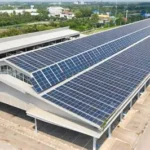
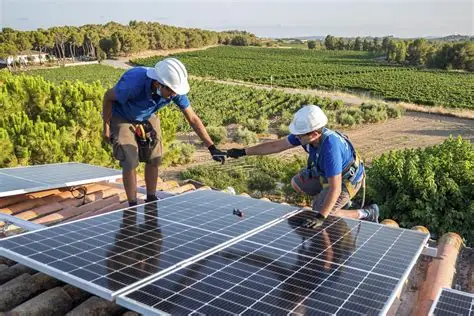

When people imagine solar power on buildings, the image that comes to mind is almost always the familiar rooftop panel. These rectangular glass modules, often tilted at an angle and neatly lined up, have become the most common representation of renewable energy in residential and commercial spaces. While rooftop systems have indeed revolutionized access to clean energy, they are not the only way to capture the sun’s power. A new wave of solar technology, known as Building-Integrated Photovoltaics (BIPV), is taking solar energy beyond the roof and weaving it directly into the structure of a building.
BIPV represents a fundamental shift in how we think about design, energy, and sustainability. Rather than treating solar panels as add-ons, BIPV incorporates them into the materials that already make up our built environment. From facades and skylights to windows, canopies, and awnings, BIPV is transforming buildings into power-generating systems without sacrificing space or aesthetics. This integration opens the door to new possibilities for architects, homeowners, and businesses looking to combine functionality with beauty while reducing reliance on fossil fuels.
How Solar Energy Is Changing the World in 2025
Across the globe, solar energy is no longer just an alternative, it’s becoming the foundation of a new energy era. From rooftops in Lagos to factories in California, the sun is now one of the world’s most powerful resources for progress. Countries, corporations, and even small communities are rapidly shifting to solar to cut costs, reduce emissions, and secure a stable power supply for the next generation.
Solar energy isn’t just helping the environment, it’s redefining economies, industries, and lifestyles. The numbers don’t lie: billions of dollars in investments, millions of jobs created, and exponential growth in solar installations across continents.
Solar Power and the Economy
The global solar market is now one of the fastest-growing sectors in the world. It’s driving economic transformation from the ground up. Engineers, electricians, installers, and entrepreneurs are finding opportunities in solar manufacturing, maintenance, and innovation.
Governments are also reaping the rewards. With new solar farms and grid upgrades, nations are reducing dependency on imported oil and boosting local revenue. In Africa, for instance, solar mini-grids are electrifying remote areas and powering schools, hospitals, and small businesses that were once left in the dark.
Solar energy is not just changing how we power homes, it’s changing how we power economies.
Environmental Impact
Unlike fossil fuels, solar energy produces no harmful emissions. Every panel installed brings the world one step closer to carbon neutrality. Today, over 60% of the world’s carbon reductions from renewable sources come from solar.
By harnessing sunlight, we’re protecting forests, preserving clean air, and ensuring that the next generation inherits a planet worth living on. Solar power is more than just a green option, it’s a moral commitment to sustainability.
The Cost Advantage: Why Homeowners Are Switching Fast
One of the biggest reasons solar is booming worldwide is its cost efficiency. The price of solar panels has dropped by more than 80% in the last decade, making it more affordable than ever. Homeowners and businesses can now install panels and start saving immediately on electricity bills.
With government incentives, net metering, and tax credits in many countries, solar isn’t just smart, it’s profitable. People are discovering they can cut monthly expenses while increasing property value. In many regions, solar systems pay for themselves within just a few years.
Innovation and Technology
Solar technology is advancing at an incredible pace. From ultra-efficient panels to solar-powered batteries and vehicles, innovation is driving accessibility and performance. Cities are integrating solar into smart grids, and companies are developing transparent panels that can turn windows into power sources.
The future of solar is not just about energy, it’s about intelligence. With AI-driven energy management systems, homes can store, monitor, and optimize solar power usage automatically, ensuring zero waste and maximum savings.
Global Transformation: Lighting Up Every Corner of the World
From rural Africa to urban Asia, solar energy is lighting up lives. For millions of people who once lived without electricity, the sun has become a source of hope and opportunity. Solar lamps, water pumps, and microgrids are improving health, education, and productivity in regions once ignored by traditional infrastructure.
Solar is not just powering homes, it’s powering humanity’s progress.
The Power of the Sun Is the Power to Change
The global impact of solar energy cannot be overstated. It’s cleaner, cheaper, and smarter, and it’s here to stay. Whether you’re a homeowner, business leader, or policymaker, the question is no longer if you should go solar, but how soon.
The world is shifting toward renewable energy, and solar power is leading the way. Every ray of sunlight captured is a step toward a brighter, more sustainable world for all.
What is Building-Integrated Photovoltaics (BIPV)?
Building-Integrated Photovoltaics, or BIPV, refers to the practice of replacing conventional building materials with materials that serve both as structural components and energy generators. Unlike traditional solar systems that are installed on top of existing structures, BIPV systems are embedded within the architecture itself.
For instance, instead of placing solar panels on a roof, a BIPV roof would consist of solar shingles or modules that both protect the home and generate electricity. Similarly, solar windows are designed to look like tinted glass but contain photovoltaic cells that capture sunlight. Balustrades, facades, awnings, and even parking canopies can all be designed with BIPV technology. One of the most common real-world examples is the solar carport, where photovoltaic modules are seamlessly built into parking shade structures. These applications illustrate how solar technology is evolving from being an external feature to becoming an intrinsic part of building design.
Why BIPV is Emerging as a Game-Changer
The growing interest in BIPV is not just about producing electricity; it is about reimagining how buildings function in modern society. By generating energy directly on-site, BIPV provides certainty about where power is coming from, reduces dependence on the local grid, and enhances energy resilience. In regions where blackouts or grid instability are concerns, this can be an invaluable benefit.
Beyond resilience, BIPV also provides substantial financial advantages. Just like rooftop solar, it reduces or eliminates electricity bills, allowing homeowners and businesses to control long-term energy costs. However, it adds another layer of value by saving space. Instead of dedicating roof space alone, building owners can take advantage of facades, windows, or canopies, maximizing energy generation in urban environments where rooftop area may be limited.
Aesthetics are another powerful driver. Traditional solar panels can be visually intrusive, which sometimes deters property owners or runs into homeowner association restrictions. BIPV, by contrast, can be designed to blend with the building’s appearance, creating a sleek and modern look. This combination of form and function allows solar technology to be adopted more widely, even in communities where rooftop panels may be restricted.
When BIPV Makes More Sense Than Rooftop Panels
While rooftop solar remains the most popular choice for homeowners, there are several scenarios where BIPV may be the smarter option.
For some households, homeowner association rules can prohibit the installation of rooftop panels. In such cases, integrating solar into other parts of the building such as awnings, facades, or windows offers a way to enjoy clean energy without breaking community guidelines.
Certain commercial buildings face structural challenges that limit the feasibility of traditional rooftop installations. Weight restrictions, for example, can make it unsafe to place heavy panels and racks on older roofs. For high-rise buildings, rooftop space may be minimal compared to the vast surface area available on exterior walls. BIPV provides a practical solution, allowing these buildings to generate meaningful amounts of electricity from vertical surfaces.
Even in residential properties, BIPV can be appealing for lifestyle reasons. Imagine lounging beneath a solar awning that provides shade while also powering your home, or enjoying natural light through windows that double as miniature power plants. These integrations create multifunctional spaces where design, comfort, and energy efficiency coexist seamlessly.
Financial and Environmental Benefits of BIPV
The benefits of BIPV extend far beyond aesthetics. Like traditional solar systems, BIPV reduces reliance on fossil fuels, cuts greenhouse gas emissions, and helps communities move toward energy independence. By producing electricity where it is consumed, BIPV also lessens the burden on transmission and distribution infrastructure. This localized generation reduces the need for massive grid expansions, which ultimately helps to keep energy prices affordable for everyone.
From a financial perspective, BIPV can significantly lower long-term electricity bills. Although the initial cost of BIPV systems may be higher than conventional materials, the investment pays off over time by generating free electricity. In some cases, tax incentives and renewable energy credits can further reduce upfront expenses. For building owners who would already be investing in high-quality roofing, windows, or facades, the ability to integrate solar generation into these upgrades adds another layer of return on investment.
The Role of the U.S. Department of Energy in Advancing BIPV
The U.S. Department of Energy (DOE) has recognized the potential of BIPV and has taken active steps to accelerate its development. Through its Solar Energy Technologies Office (SETO), the DOE has launched initiatives to explore opportunities, understand barriers, and create industry standards for BIPV adoption.
In 2022, SETO issued a Request for Information focused on BIPV to gather insights from stakeholders. This was followed by a series of workshops that brought together experts from the solar and building industries to address current challenges, research needs, and policy considerations. Workshops such as “Current Challenges, Opportunities, and Research Needs of BIPV Systems” and “Building-Integrated Photovoltaics: Beyond the Shingle” highlighted the importance of interdisciplinary collaboration in pushing BIPV forward.
Beyond research and discussion, the DOE also supports real-world innovation through funding. The 2023 Dual-Use Photovoltaics Incubator, for instance, includes programs designed to develop products that can expand emerging markets like BIPV. Collaborative projects with organizations such as the Architectural Solar Association and the National Renewable Energy Laboratory are creating continuing education programs for architects and engineers, covering everything from design and integration to financial modeling. These initiatives ensure that industry professionals are equipped to bring BIPV into mainstream building practices.
Challenges and Barriers Facing BIPV Adoption
Despite its promise, BIPV is still considered an emerging sector, and widespread adoption faces hurdles. Cost remains one of the biggest challenges. While prices for traditional rooftop solar have dropped dramatically over the past decade, BIPV materials are still relatively expensive due to limited manufacturing and specialized designs.
Standardization is another issue. Because BIPV systems are integrated into buildings, they must meet both energy performance standards and construction codes. Developing universal standards that balance safety, durability, and efficiency is critical for scaling adoption.
The Future of BIPV and Other Dual-Use Technologies
BIPV does not exist in isolation. It is part of a larger family of dual-use solar technologies that aim to make renewable energy more versatile and adaptable. Examples include agrivoltaics, where solar arrays are co-located with farmland; floatovoltaics, which involve solar panels mounted on floating structures; and photovoltaic-thermal systems that capture both electricity and heat from sunlight.
These innovations are reshaping the possibilities of solar deployment, making it more efficient and sustainable across different industries and environments. The DOE continues to invest in these areas with the goal of reducing costs, supporting domestic manufacturing, and ensuring that the transition to clean energy is both equitable and affordable.
Conclusion: Moving Toward a Built-in Solar Future
Building-Integrated Photovoltaics is more than a technological innovation. It represents a vision of a future where energy generation blends seamlessly into our living and working spaces. By merging beauty, efficiency, and resilience, BIPV meets the growing demand for renewable energy without sacrificing design or practicality.
Challenges still exist. However, ongoing research, supportive policies, and rapid technological progress are pushing BIPV from a niche solution toward mainstream adoption. As cities, businesses, and homeowners seek smarter and more sustainable power options, BIPV stands out as a strong pathway to a cleaner, more resilient future.