

Are High-Efficiency Solar Panels Worth It? A Cost-Benefit Analysis
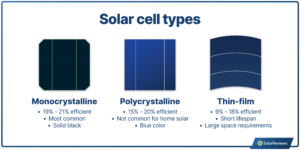
Solar panel efficiency measures how much sunlight a panel converts into usable electricity. Manufacturers express this as a percentage, with most standard panels falling between 15% and 18%, while high-efficiency models exceed 20%. Higher efficiency means more power output per square foot, influencing energy production and installation requirements.
Solar radiation intensity directly affects panel performance. Panels in areas with strong sunlight generate more electricity than those in lower-radiation regions. Still, efficiency ensures that a system captures and converts available sunlight more effectively in any location. High-efficiency panels can outperform standard models by maximizing energy capture even in cloudy or shaded conditions.
Compared to standard options, high-efficiency solar panels require fewer units to produce the same power output. This reduces roof space usage and lowers potential installation costs. The trade-off comes in pricing, premium panels cost more upfront, but they may provide better long-term savings through higher energy production and reduced electricity bills.
Understanding Solar Panels and Efficiency
Solar panels are devices that convert sunlight into electricity, reducing reliance on grid power and helping homeowners and businesses save on energy bills. Efficiency in solar panels refers to the percentage of sunlight a panel can convert into usable electricity. While standard panels typically achieve 15 to 18 percent efficiency, high-efficiency solar panels now exceed 20 percent. This higher conversion rate allows property owners to generate more power per square foot, making them particularly beneficial for locations with limited roof space or higher energy consumption. High-efficiency panels also perform better in shaded or low-light conditions, ensuring consistent energy production even when sunlight is not optimal.
Technological Advancements in Solar Panels
The evolution of solar panels has been driven by innovations in cell design and materials. Heterojunction (HJT) solar cells, which combine crystalline silicon with thin-film layers, can achieve efficiencies above 22 percent, surpassing conventional monocrystalline panels. Passivated Emitter and Rear Cell (PERC) technology enhances low-light performance by adding a reflective layer that captures additional sunlight and reduces energy losses. Perovskite solar cells, with laboratory efficiencies exceeding 25 percent, show promise for next-generation panels, and tandem designs layering perovskite over silicon aim to maximize energy absorption. Bifacial solar panels further boost output by capturing sunlight from both sides, leveraging reflected light from rooftops or surrounding surfaces to increase energy generation by up to 15 percent compared to traditional single-sided modules.
The Financial Case for High-Efficiency Solar Panels
High-efficiency solar panels typically cost more upfront than standard models. Premium panels from manufacturers like SunPower or REC range from $2.50 to $3.50 per watt, while conventional panels fall between $1.00 and $2.00 per watt. Despite the higher initial investment, these panels require fewer units to achieve the same power output, reducing installation complexity and potential roof space constraints. Over a system’s lifetime, increased energy generation translates into substantial savings on electricity bills. For example, a 6-kilowatt high-efficiency system installed in a sunny region can generate roughly 9,500 kilowatt-hours annually, compared to 7,800 kilowatt-hours from a standard system, resulting in tens of thousands of dollars saved over 25 years.
Incentives and Financing for Solar Panels
Government incentives play a crucial role in making high-efficiency solar panels more affordable. The federal Investment Tax Credit (ITC) allows homeowners and businesses to deduct 30 percent of installation costs from federal taxes. Many states also offer rebates, property tax exemptions, or Solar Renewable Energy Certificates (SRECs) that allow owners to sell surplus energy back to the grid. Net metering programs provide additional savings by crediting excess energy fed into the utility grid. When combined with financing options like no-money-down loans or leasing programs, these incentives shorten the payback period and improve the return on investment, making high-efficiency solar panels a financially attractive choice.
Environmental Impact of Solar Panels
High-efficiency solar panels also reduce carbon emissions more effectively than standard panels. Because they generate more electricity per panel, fewer materials are required for installation, lowering the environmental footprint associated with manufacturing and transportation. Over their lifespan, these panels offset more greenhouse gases, with a typical home system reducing three to four metric tons of CO₂ annually. Advanced durability and slower degradation rates ensure sustained energy production over decades, reducing the need for replacements and minimizing waste.
Energy Independence Through Solar Panels
By generating electricity on-site, high-efficiency solar panels reduce dependence on the grid. When paired with battery storage, these panels can provide power even during outages, offering energy security and protection against rising utility rates. Grid-tied systems benefit from net metering programs, while off-grid setups allow complete energy independence. In combination with smart energy management systems, solar panels help homeowners optimize energy use and maintain consistent electricity access regardless of grid fluctuations.
Solar Panels and Climate Considerations
The performance of solar panels is affected by climate and environmental conditions. Regions with high solar irradiance generate more electricity, while temperature and weather patterns can impact efficiency. Most panels perform best below 77°F (25°C), with high temperatures slightly reducing output. Modern high-efficiency panels often include low-temperature coefficients, allowing them to maintain strong performance in hotter climates. Proper panel placement, tilt, and tracking systems further optimize energy production, while shading mitigation strategies and snow or debris management ensure long-term efficiency.
Enhancing Property Value with Solar Panels
Installing solar panels can increase property value by providing long-term energy savings. Studies show that homes with solar energy systems sell for approximately four percent more than comparable non-solar homes. High-efficiency panels make a property more appealing to buyers by reducing electricity bills, offering sustainable energy solutions, and providing a cutting-edge, modern feature. Homes equipped with solar panels often sell faster, giving sellers a competitive advantage in the real estate market.
Community Solar Programs: A Solution for Everyone
For homeowners without suitable roofs, community solar programs provide access to shared solar installations. Participants receive credits on their utility bills based on the energy produced by their share, eliminating the need for personal installation or maintenance. These programs expand access to clean energy, offer cost savings, and reduce dependence on fossil fuels, making solar panels an inclusive and scalable solution for a broader audience.
Why High-Efficiency Solar Panels Make Sense
High-efficiency solar panels generate more electricity using less space, reduce dependence on the grid, and lower long-term energy costs. While the initial investment is higher, incentives, superior performance, and long-term savings make these systems a smart choice for homeowners and businesses. They also provide environmental benefits, increase property value, and support energy independence. By choosing high-efficiency solar panels, property owners can enjoy both financial and ecological advantages, contributing to a more sustainable energy future.
Making the Smart Choice with High-Efficiency Solar Panels
High-efficiency solar panels provide a powerful solution for homeowners and businesses looking to maximize electricity generation while minimizing space usage. By producing more energy per square foot, these panels reduce reliance on grid power and help lower monthly electricity bills. They also perform better under limited sunlight and maintain higher energy output over time compared to standard models. Although the upfront investment is higher, long-term savings, combined with federal, state, and local incentives, often offset the initial costs, making high-efficiency solar panels a financially sound choice.
Beyond the financial benefits, high-efficiency solar panels contribute to sustainability by reducing carbon footprints. By generating renewable energy on-site, homeowners can take greater control of their electricity costs while decreasing reliance on fossil-fuel-powered grids. Installing solar panels not only provides clean energy but can also increase property value, making homes more appealing to energy-conscious buyers.
Taking the Next Step Toward Solar Energy
Choosing the right solar panels depends on factors such as geographic location, energy consumption, and long-term goals. Conducting a comprehensive energy audit or consulting a solar energy expert helps assess specific needs and determine the most efficient system design. Climate conditions, available technology, and applicable incentives all play crucial roles in maximizing energy output and financial returns. By carefully evaluating these factors, homeowners and businesses can select a solar solution that delivers both immediate savings and long-term energy independence.
Key Advantages of High-Efficiency Solar Panels
High-efficiency solar panels offer multiple benefits for homeowners and businesses. They generate more electricity using less space, reduce energy bills by producing more power per panel, and provide long-term savings that typically outweigh higher installation costs. Incentives at the federal, state, and local levels can significantly lower the overall investment, while the environmentally friendly energy produced helps reduce reliance on fossil fuels. Homes and properties equipped with high-efficiency solar panels can also experience increased market value, enhancing both financial and ecological returns.
Frequently Asked Questions About High-Efficiency Solar Panels
-
How much more efficient are high-efficiency solar panels compared to standard ones?
High-efficiency panels can exceed 22% efficiency, while standard models typically range between 15–18%, allowing more electricity generation within the same space. -
Do high-efficiency panels require more maintenance?
Maintenance is similar to standard panels, requiring occasional cleaning and periodic inspections to ensure optimal performance. -
Are government incentives available for high-efficiency panels?
Yes. Federal tax credits, state rebates, and local incentives can significantly reduce installation costs depending on location. -
How long do high-efficiency solar panels last?
Most high-efficiency panels come with warranties of 25 years or more and continue to generate electricity with minimal degradation over their lifespan. -
Do high-efficiency panels work better in cloudy conditions?
Yes. These panels perform more efficiently in low-light conditions compared to standard models, ensuring consistent energy production.
Solar Consultation: Planning for a Sustainable Energy Future
Understanding personal energy goals is essential for making an informed decision about solar panels. Consulting with a solar energy expert allows homeowners to evaluate potential savings, determine the best technology for their location, and identify available incentives. A customized solar plan ensures maximum efficiency, long-term cost savings, and a reduced environmental footprint. Scheduling a consultation is a practical first step toward a more sustainable, energy-independent future powered by high-efficiency solar panels.